
Difference Between Organic and Inorganic Pigments
Pigments play a vital role in industries such as plastics, paints, coatings, printing inks, agrochemicals, textiles, and consumer products. Among the various pigment categories, organic pigments and inorganic pigments are the most widely used. Understanding the difference between organic and inorganic pigments helps manufacturers select the right coloring solution based on color strength, durability, heat resistance, weather fastness, and cost-effectiveness. In this guide, we compare both pigment types and explain their applications across different industries.
What Are Organic Pigments?
Organic pigments are carbon-based color pigments that are widely used across industries requiring bright, vibrant, and visually appealing shades. These pigments are known for their exceptional color strength and ability to deliver a broad spectrum of colors. Due to their superior tinting properties, organic pigments are extensively used in plastics, printing inks, paints, coatings, packaging materials, and various consumer products.
As a preferred choice for many manufacturers, organic pigments help achieve high-quality coloration while maintaining consistency across production batches. Their excellent dispersion properties make them suitable for plastic pigments applications, where uniform color distribution is essential. Industries involved in plastic manufacturing, printing ink production, and decorative coatings frequently rely on organic pigments to create attractive and durable products.
Because of their versatility and color performance, organic pigments continue to play a crucial role in the production of pigments for plastics, packaging materials, and specialty industrial products. Many businesses also choose organic pigments when developing premium-quality consumer goods that require bright and eye-catching colors.
What Are Inorganic Pigments?
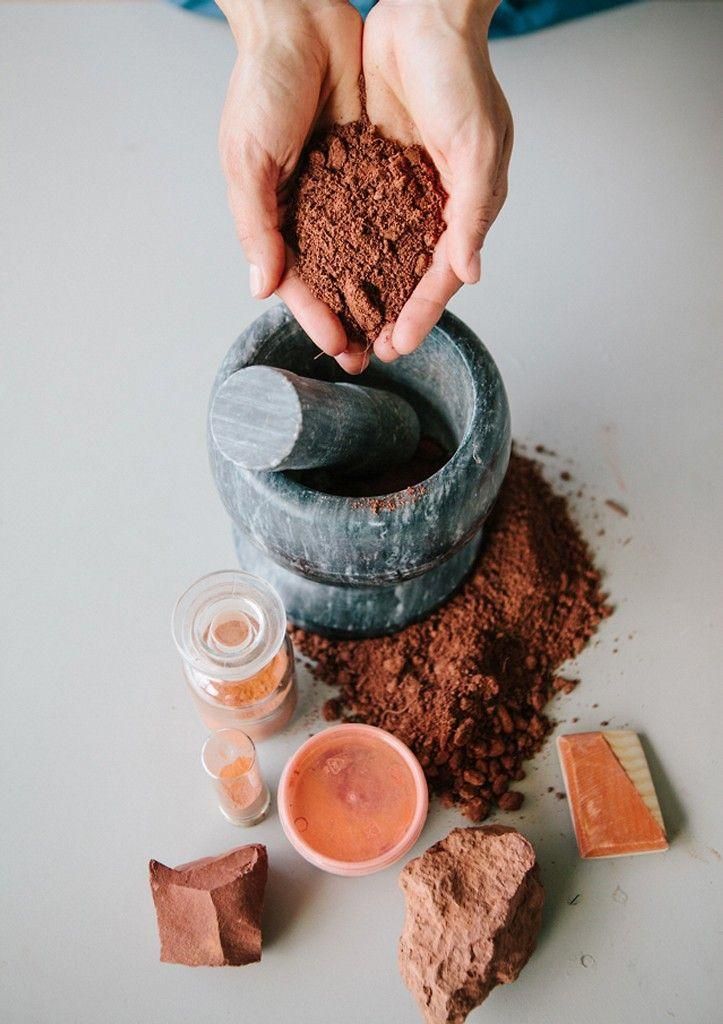
Inorganic pigments are mineral-based coloring agents that offer outstanding durability, heat resistance, and weather stability. These pigments are commonly used in applications where long-term performance is more important than color brightness. Due to their excellent resistance to UV exposure, chemicals, and extreme temperatures, inorganic pigments are widely utilized in industrial coatings, construction materials, agrochemical formulations, and engineering plastics.
Manufacturers often prefer inorganic pigments for products exposed to harsh environmental conditions because they retain their color and performance over extended periods. Their superior durability makes them an ideal choice for outdoor applications, industrial products, and infrastructure projects where reliability is essential.
As a trusted pigment manufacturer or pigment supplier, selecting the right inorganic pigments can significantly improve product performance while ensuring long-lasting color stability in demanding environments.
Color Strength and Brightness
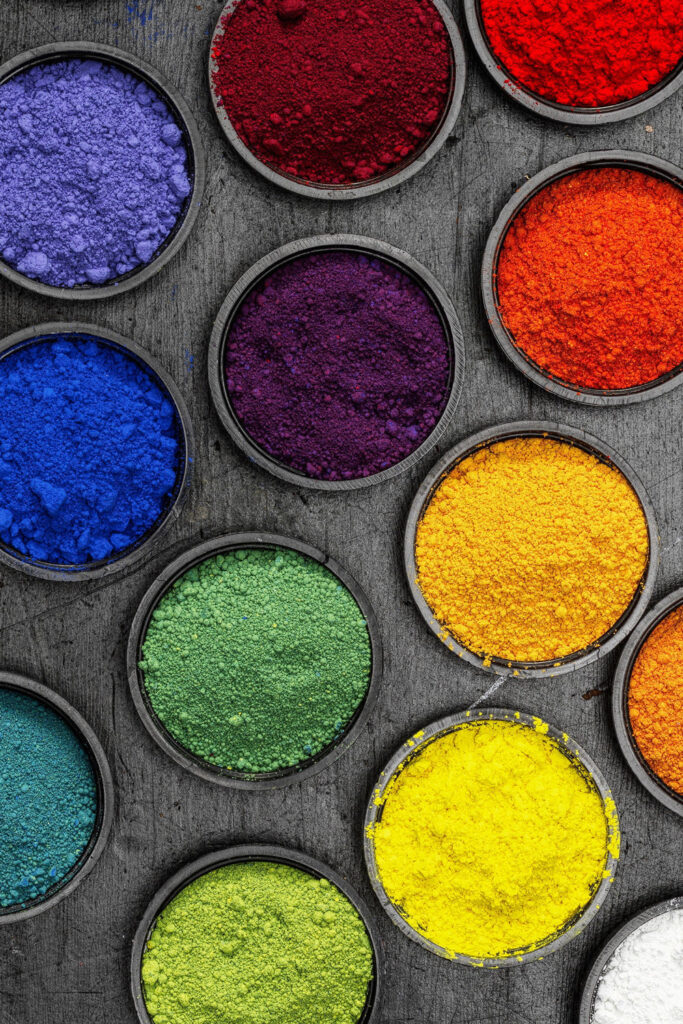
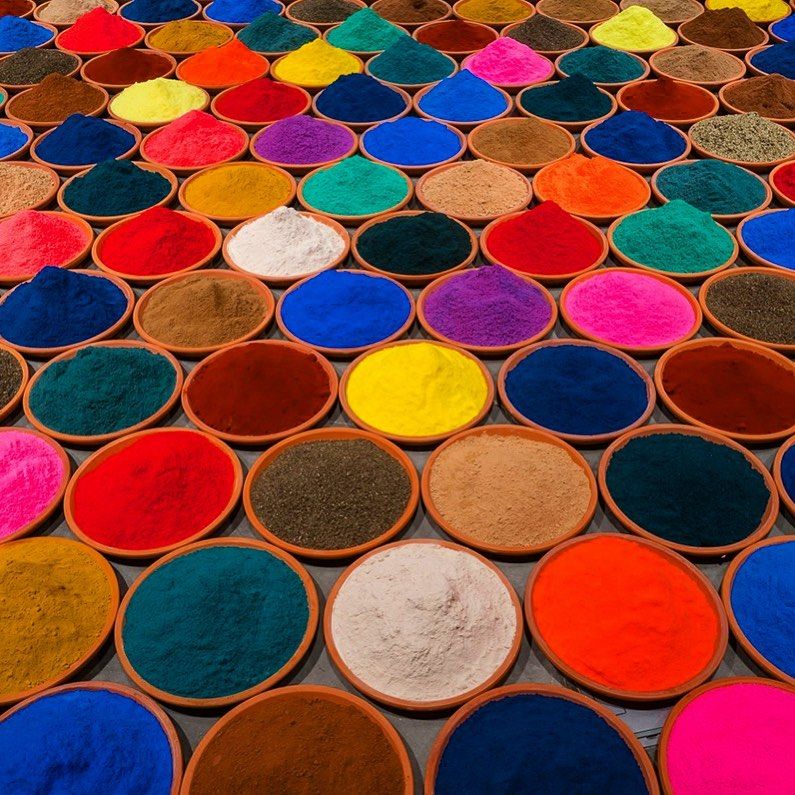
One of the most significant differences between organic pigments and inorganic pigments is their color strength and brightness. Organic pigments are highly valued for their ability to produce vivid, clean, and intense shades, making them a preferred choice for applications where visual appeal is important. Industries such as plastic manufacturing, printing inks, packaging materials, and decorative coatings frequently use organic pigments to achieve vibrant and attractive colors.
In contrast, inorganic pigments generally offer more muted and earthy tones but provide excellent color stability under demanding conditions. While they may not match the brightness of organic pigments, they are widely used in industrial pigments, construction materials, agrochemical formulations, and outdoor coatings where durability is more important than color intensity. Choosing between organic and inorganic pigments ultimately depends on whether the application prioritizes vibrant appearance or long-term performance.
Heat and Weather Resistance
When it comes to heat resistance and weather durability, inorganic pigments have a clear advantage. These pigments can withstand high processing temperatures, prolonged UV exposure, and harsh environmental conditions without significant color fading. As a result, inorganic pigments are commonly used in industrial coatings, engineering plastics, construction products, and outdoor applications where long-term stability is essential.
Organic pigments, while offering superior color brilliance, generally provide moderate resistance to heat and weathering. However, modern high-performance organic pigments have significantly improved durability and are increasingly being used in demanding applications. For manufacturers looking for the right pigments for plastics or industrial products, understanding the balance between color performance and environmental resistance is crucial for selecting the most suitable pigment solution.

How to Choose Between Organic and Inorganic Pigments?
Choosing between organic pigments and inorganic pigments depends largely on the intended application and performance requirements. Manufacturers must evaluate factors such as color intensity, heat resistance, weather stability, chemical exposure, and production costs before selecting a suitable pigment solution.
For applications where vibrant shades, excellent tinting strength, and visual appeal are the primary requirements, organic pigments are often the preferred option. These pigments are widely used in plastic pigments, printing inks, packaging materials, and decorative coatings because they provide bright and attractive colors that enhance product appearance.
On the other hand, industries that require long-term durability, UV resistance, and superior thermal stability generally prefer inorganic pigments. These pigments are commonly used in industrial pigments, agrochemical formulations, construction materials, and outdoor coatings, where color stability and product performance are critical.
The final selection should be based on the product’s operating environment, processing conditions, and expected lifespan. By carefully evaluating these factors, manufacturers can choose the most suitable pigment solution that balances performance, durability, and cost-effectiveness.
Factors to Consider When Selecting Pigments
When selecting pigments for industrial applications, businesses should consider more than just color appearance. The desired shade, processing temperature, weather exposure, and regulatory requirements all play an important role in determining which pigment will perform best in a specific application.
For example, manufacturers producing pigments for plastics often focus on color consistency, dispersion quality, and heat stability during processing. Similarly, companies involved in printing ink pigments prioritize color strength and print quality, while manufacturers of industrial coatings and agrochemical products may place greater importance on weather resistance, UV stability, and long-term durability.
Understanding these performance characteristics helps businesses make informed decisions and ensures that the selected pigment delivers optimal results throughout the product’s lifecycle. Whether the requirement is for vibrant organic pigments or durable inorganic pigments, selecting the right solution can significantly improve product quality and customer satisfaction.
Conclusio:
Both organic and inorganic pigments offer unique advantages and play an essential role in modern manufacturing. Organic pigments are known for their vibrant colors, excellent tinting strength, and wide color range, making them ideal for plastics, printing inks, packaging, and consumer products. Inorganic pigments, meanwhile, provide exceptional durability, heat resistance, and weather stability, making them suitable for industrial coatings, construction materials, and outdoor applications.
Understanding the differences between these two pigment categories allows manufacturers to select the most effective solution for their specific needs. Whether you are looking for plastic pigments, industrial pigments, agrochemical pigments, or specialized color pigments, choosing the right pigment can improve product performance, enhance visual appeal, and ensure long-term reliability.
At Vibrant Dye & Chem, we provide high-quality organic and inorganic pigment solutions designed to meet the diverse requirements of industries across India and global markets. Our expertise helps manufacturers achieve superior color consistency, durability, and performance in every application.
FAQ
Organic pigments are carbon-based and provide brighter colors, whereas inorganic pigments are mineral-based and offer better durability and heat resistance.
Inorganic pigments are generally preferred for outdoor applications because of their superior UV and weather resistance.
Yes, organic pigments are widely used in plastic packaging, consumer goods, and masterbatch applications due to their high color strength and vibrant appearance.
Inorganic pigments provide excellent thermal stability, weather resistance, and long-term color retention, making them ideal for industrial coatings.
Looking for High-Performance Organic or Inorganic Pigments?
Vibrant Dye & Chem supplies premium-quality pigments for plastics, coatings, printing inks, construction materials, and specialty industrial applications.